I hear it all the time:
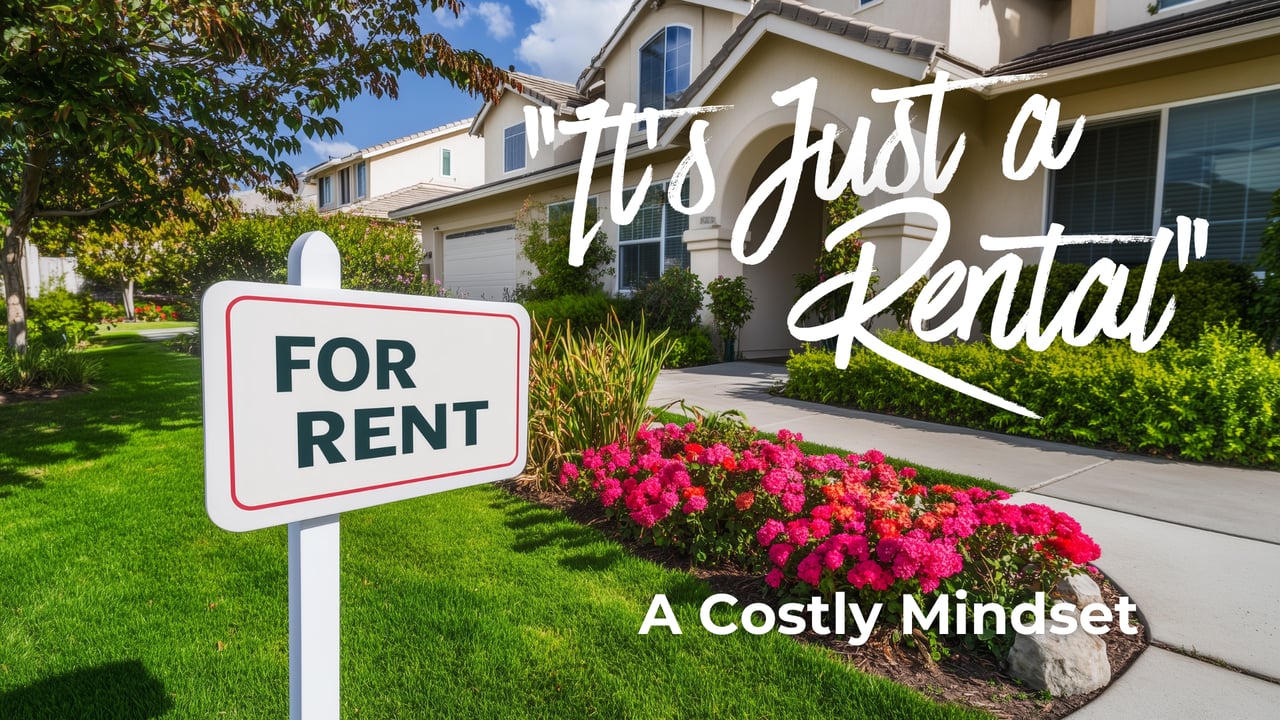
“It is just a rental.”
And every time, I think the same thing: No, it is not. It is an asset. It is someone’s home. And it is either building your wealth… or quietly draining it.
This mindset usually shows up in the same places: deferred repairs, tired finishes, “we will get to it later” maintenance, and a property that slowly slides from “solid investment” to “problem child.” The owner is not trying to be careless. They are often trying to avoid cost. But ironically, this mentality tends to create the exact outcome they are trying to prevent: higher expenses, lower rent, more turnover, and reduced value.
Let’s talk about why.
1) “Just a rental” turns small issues into big checks
Deferred maintenance is not neutral. It is not “saving money.” It is usually borrowing money from the future… at a terrible interest rate.
A slow leak becomes water damage. A small roof issue becomes interior repairs. A failing heater becomes an emergency call on the coldest night of the year. And the longer problems sit, the more likely they are to spill into the category nobody wants: safety, habitability, and liability.
In California, landlords have legal obligations to provide habitable housing, and tenants have the right to request repairs for unsafe or unhealthy conditions. When a property is not maintained, it stops being a preference issue and becomes a compliance issue.
2) The condition of the home directly affects your rent
This one is simple: tenants compare options. They do not compare “your rent” to “your mortgage.” They compare your rent to other rentals they can choose today.
When a property feels worn, dated, or poorly maintained, you typically lose in one of three ways:
- You rent it for less than you could have
- You offer concessions to get it rented
- You sit vacant longer than you planned
Even a short vacancy can erase months of “saved” maintenance money.
3) Turnover is expensive, and poor condition invites turnover
Owners often underestimate turnover costs because they are spread out: lost rent, cleaning, paint, repairs, vendor time, advertising, screening, and the inevitable surprises discovered after move-out.
The National Apartment Association has cited average turnover costs around $1,800 per unit (and that is before you start adding bigger repairs or longer vacancies).
If a resident leaves because the home feels neglected, you do not just lose a tenant. You pay for the privilege of replacing them.
And remember — rentals naturally experience more wear and tear than owner-occupied homes. Multiple move-ins, different habits, varying standards of care. That reality alone requires more proactive management, not less.
4) Deferred maintenance can reduce marketability and value
Even if you plan to keep a rental “forever,” life changes. You may refinance. You may 1031 exchange. You may sell to fund retirement or to simplify.
Condition matters in all of those scenarios.
Guidelines used in lending and appraisal recognize that deferred maintenance can affect safety, soundness, marketability, and value. Translation: neglect can make financing harder and can reduce what buyers are willing to pay.
And buyers are rarely generous about deferred maintenance. They tend to assume there is more hiding behind the walls.
5) “Renters do not care” is a myth (and it is also bad business)
Renters absolutely care. They care about:
- clean and safe living conditions
- functional appliances
- reliable plumbing and HVAC
- updated basics that make a home feel respected
- responsive repairs when something breaks
This is not about luxury. It is about dignity and livability.
Also: residents who feel taken care of tend to take better care of the home. When the owner treats the property like it matters, tenants usually follow that tone.
A Better Mindset: Treat it like a business, AND like a home
Your rental is a business asset that someone lives in every day. Both truths matter. If you ignore either one, you will pay for it.
A practical “no drama” maintenance rhythm
- Quarterly: basic walkthrough (or property manager inspection), small fixes, safety checks
- Annually: HVAC service, water heater and plumbing review, roof and exterior check
- Every turnover: paint touch-ups as needed, deep clean, flooring assessment, light and hardware refresh
Your rental is not “just” anything.
It is an income-producing asset that someone calls home. If you treat it like an afterthought, it will perform like one. If you treat it like a valuable asset, it will reward you accordingly.
Well-maintained rentals protect:
- Cash flow
- Rent potential
- Tenant stability
- Equity
- Resale value
- Peace of mind
And that is the entire point of owning investment property in the first place.
The Bottom Line
“It is just a rental” is how owners lose:
- rent potential
- good tenants
- time and peace of mind
- resale value
- and sometimes, legal protection
A well-maintained rental is not a kindness. It is an investment strategy.
If you own income property and not sure where to start, start with this: fix what can become expensive, update what drives rent, and never let habitability slide.