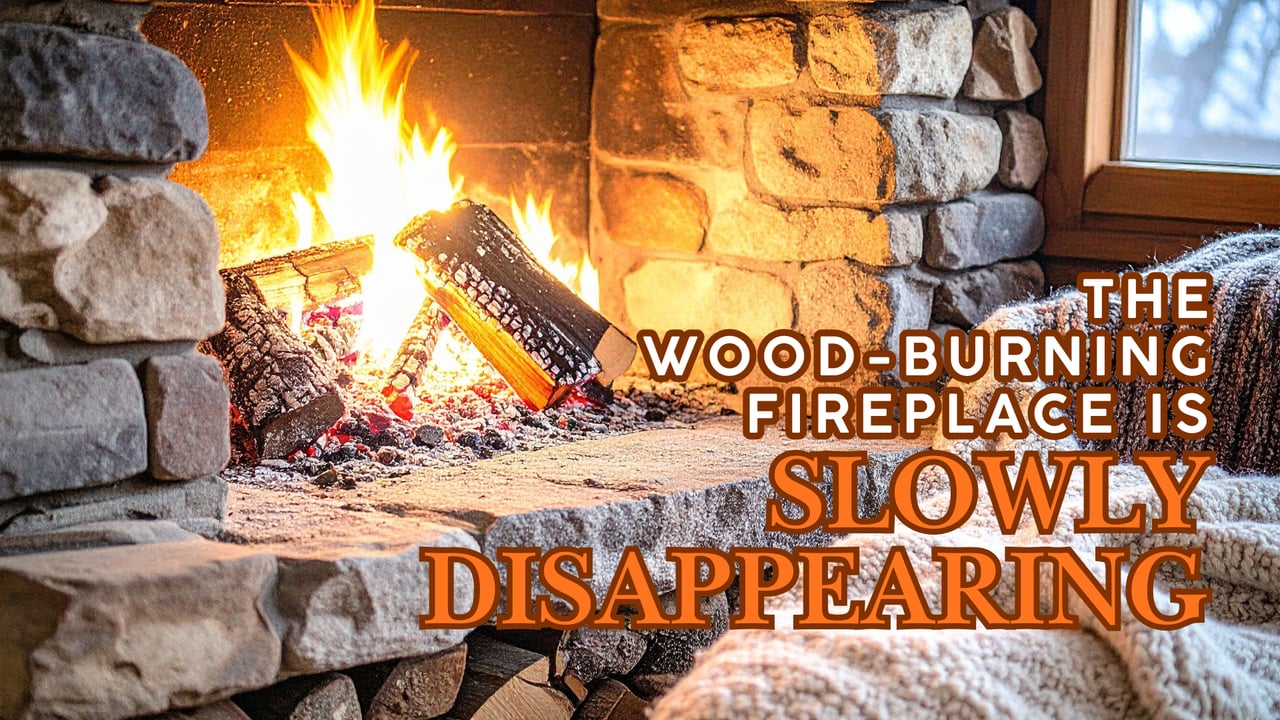
There is something deeply human about a wood-burning fireplace.
It is not sleek. It is not automated. It does not turn on with a remote. It asks something of you. And maybe that is exactly why it matters.
For decades, especially in higher-end homes, the wood-burning fireplace has been the heart of the great room. It is not just architecture. It is ritual. It is scent. It is sound. It is the slow warmth that builds and lingers.
And yet, it is quietly becoming rare.
People Still Want Them. Until They Don't.
There is absolutely still a desire for wood-burning fireplaces, particularly in luxury homes. Buyers love the idea of them. The image is powerful: snow outside, red wine in hand, feet up, crackle in the background.
But wanting one and living with one are two different things.
Regulations have tightened in many cities. Some municipalities no longer allow wood-burning fireplaces in new construction. Others allow existing ones to remain but prohibit new installations. In certain areas, once you convert to gas, you cannot go back. The wood-burning right is gone.
Then there is maintenance. Chimney inspections. Cleaning. Firewood storage. Ash disposal. It is not effortless. In theory, most clients say yes. In reality, many pivot to gas.
Gas Is Easy. Wood Is an Experience.
Gas fireplaces are convenient. Flip a switch and you have flame. No stacking. No smoke. No air-quality alerts to worry about. But convenience and experience are not the same thing.
A real wood fire has three things gas cannot fully replicate:
- The scent.
- The rhythm of crackling logs.
- The layered warmth that seems to wrap around a room.
The higher the price point of the home, the more often buyers want that authenticity. They are not looking for a screen saver. They are looking for atmosphere.
I have seen homes with multiple fireplaces — some gas, some wood-burning — and without exception, the wood-burners are the ones that draw people in.
Nostalgia Is Powerful
For many homeowners, the fireplace is not about heat. It is about memory. It is where families gather after dinner. It is where stockings are hung. It is where conversations stretch longer than planned.
A wood-burning fireplace anchors a room in a way few features can. It gives people a reason to sit down and stay awhile. That matters.
The Practical Reality
Even when wood-burning fireplaces are permitted, they are harder to build than they used to be. Skilled masons are not as common, especially in smaller towns. Construction costs are higher. Venting requirements are stricter.
And once built, usage can still be limited. Air-quality restrictions or high fire-risk days may temporarily prohibit burning.
So yes, the traditional wood-burning fireplace is facing pressure from every angle — environmental regulation, labor shortages, cost, and lifestyle shifts.
But it is not disappearing because people do not love it.
It is disappearing because it asks for participation.